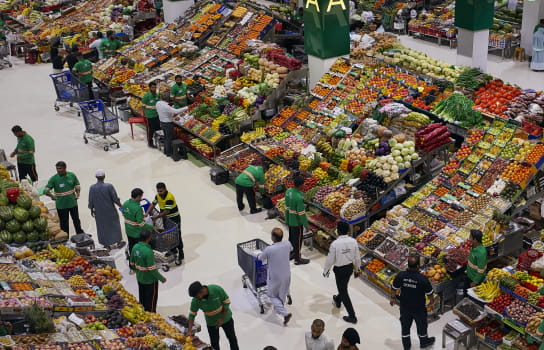
Deira Waterfront Market
Fresh seafood and adventurous dining await adventurous diners at this market overlooking the creek.

Deira Dubai is one of the city’s oldest and most historically significant districts, sitting on the northern bank of Dubai Creek opposite Bur Dubai. Deira Dubai’s location dates back to the 1700s, giving the area a trading heritage that still defines daily life today, from gold and spices to textiles and perfumes. Much of Deira’s character comes from the creek itself, with the traditional dhow wharfage and the resulting trade still visible along the waterfront.
The district divides into several distinct sub-communities, each with its own personality. Al Rigga and Al Muraqqabat are the denser, more commercial pockets with mid-rise apartments above street-level retail, while Abu Hail and Hor Al Anz lean quieter and more residential. Al Mamzar, on Deira’s northern edge, carries most of the district’s villa stock alongside its beach frontage, and Port Saeed offers a mix of residential and commercial space. New markets continue to open as part of the Dubai Islands development just off Deira’s coast, sitting alongside the centuries-old souks that first built the area’s reputation.
Housing in Deira Dubai is overwhelmingly apartments, ranging from compact studios in older buildings to larger 3-bedroom family units in newer blocks, with sizes stretching from around 280 sq. ft. up to 3,000 sq. ft. in towers such as Osha Plaza and Sherina Plaza. Villas are more limited, found mainly in Abu Hail, Al Baraha, Al Wuheida and Al Mamzar, typically on plots of 2,000 to 17,000 sq. ft. with three to eight bedrooms.
Deira Dubai, is a mix of leasehold and freehold. Most apartments across the district are leasehold, while select villa plots in Al Wuheida and Al Mamzar, along with Emaar Towers in Riggat Al Buteen, offer freehold ownership, generally open to GCC nationals. This blend of old and new, combined with some of the strongest rental yields in central Dubai, keeps demand steady from both long-term residents and investors.
Returns of up to 9.8% place the district among the strongest performers in central Dubai.
Year-on-year price growth of up to 19.1% reflects renewed investor confidence in Old Dubai.
Stations on both the Red and Green lines sit within the district, reducing tenant dependence on cars.
Studio apartments starting in the hundreds of thousands give buyers a lower-cost route into central Dubai.
Select plots and towers offer freehold ownership within an otherwise leasehold district.
A dense population of long-term residents and working professionals supports steady occupancy.
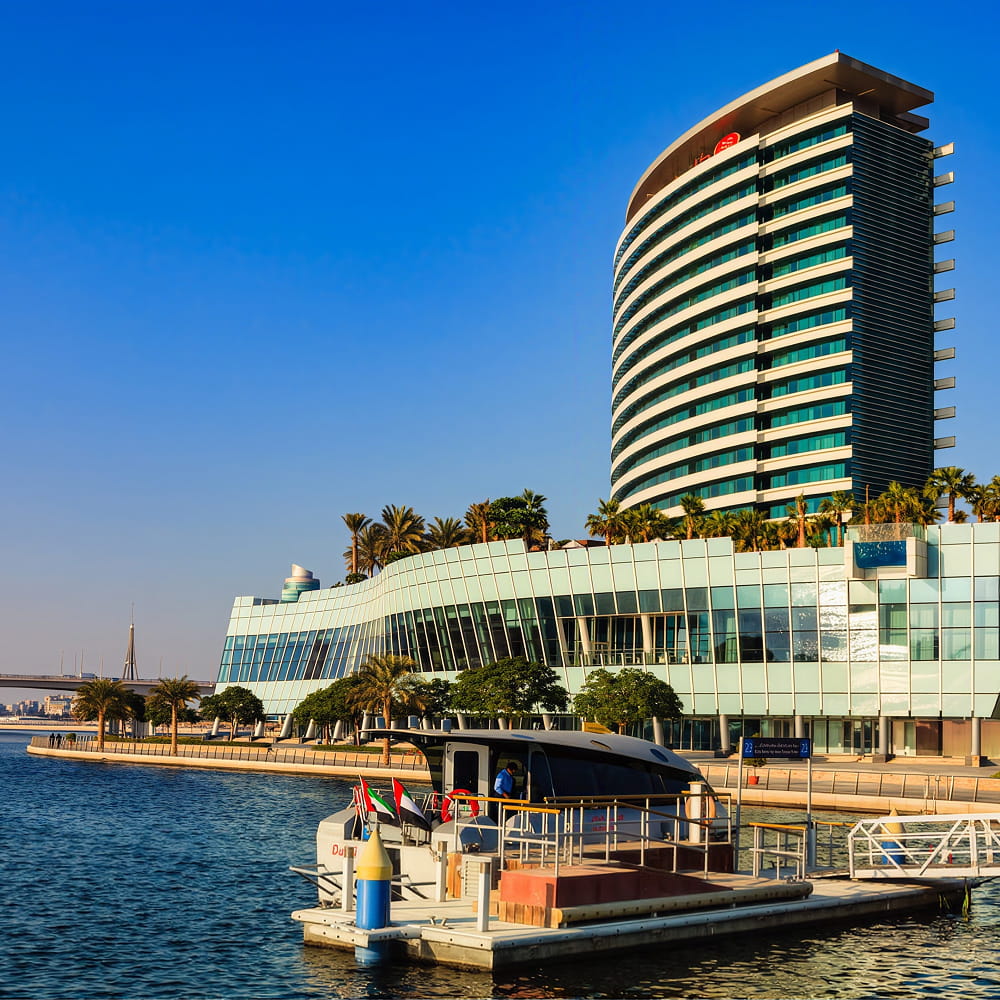
Life in Deira carries a lived-in, commercial energy shaped by centuries of trade and a dense, diverse population. The resident profile leans heavily toward working professionals, families and long-term expatriates who value affordability and walkability over resort-style amenities. Narrow lanes and heritage buildings give the older core a character that’s increasingly rare elsewhere in the city.
Everyday convenience runs deep here, with supermarkets, mosques and clinics scattered across Hor Al Anz, Al Muteena and Al Rigga. A cluster of legendary souks gives the district a genuine draw for residents and visitors alike, and a waterfront steeped in maritime history adds a scenic dimension to daily life along the creek.
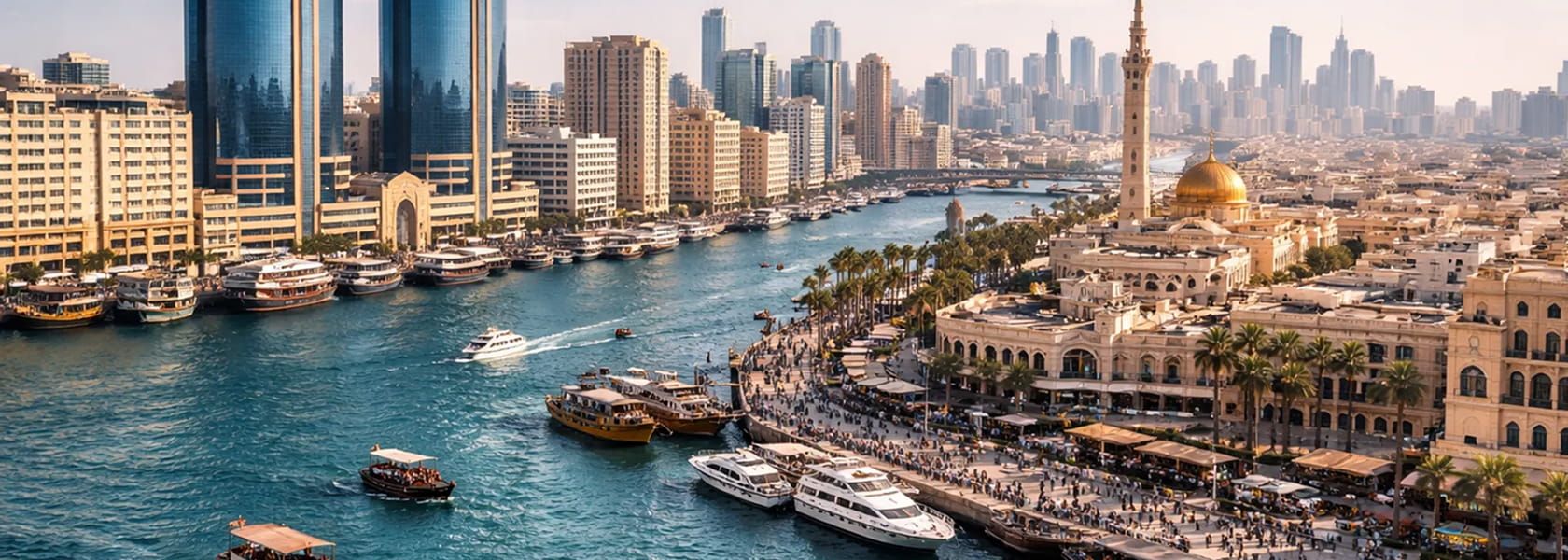
Rows of jewellers display gold in every grade and form, from ingots to fine-wrought pieces, cementing Dubai's reputation as the city of gold.
Fragrant arches of spices, herbs, rice and dried fruit sit just steps from the Gold Souk.
Steps from the Spice Souk, this market specialises in oud, attar and bespoke fragrance blending.
Built in the 1960s at the gateway to Al Garhoud Bridge, this landmark remains the reference point residents give directions by.
Traditional dhows still load and unload cargo here, offering a direct window into Dubai's maritime roots.
This established mall anchors the district's shopping scene alongside a large Carrefour Hypermarket.
Fresh seafood and adventurous dining await adventurous diners at this market overlooking the creek.
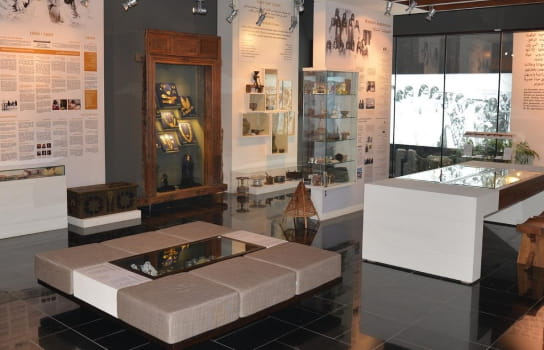
Near the Gold Souk, this museum highlights the contribution of women to the UAE's history.
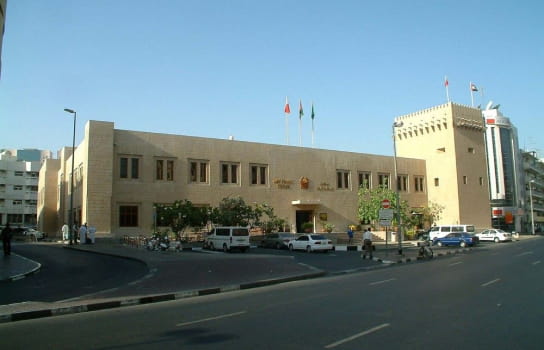
Housed in a former police fort, this museum traces the history of Dubai's justice system.
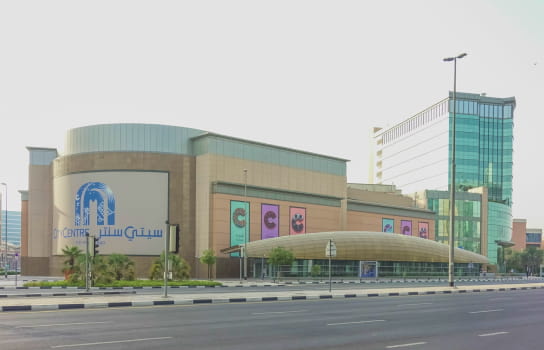
One of Dubai's most recognised malls, this destination is about 3.2 km from central Deira.
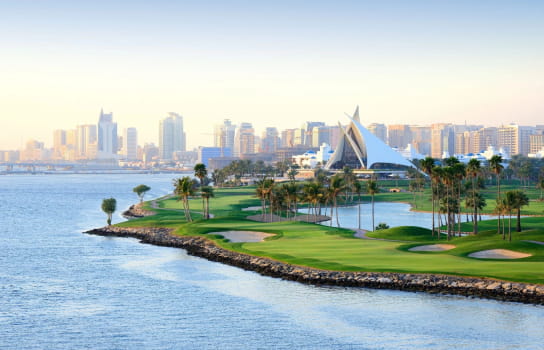
Golfers can enjoy one of the city's most picturesque courses, set against the Downtown Dubai skyline.
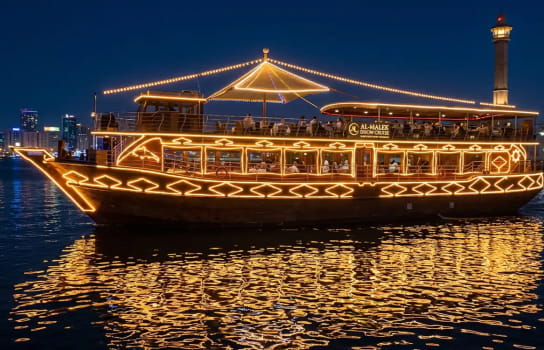
This traditional dhow dinner cruise lets visitors take in the creek's bustle over a multi-course meal.
Deira Dubai gives families access to a dense network of schools following Indian, British, American and UAE Ministry of Education curricula, with Indian and British options the most common across the district. More than 40 schools sit within 5 km of the community, giving families a wide range of fee bands and KHDA ratings to choose from.
Healthcare in Deira is anchored by a major government hospital, backed by a wide network of smaller clinics scattered across the district’s sub-communities. Dental, outpatient and specialist care are all within easy reach for residents.
Grocery shopping across Deira Dubai is covered by major hypermarkets alongside dozens of smaller neighbourhood stores. With 130 supermarkets recorded across the district, residents rarely need to travel far for daily essentials.
Deira Dubai Metro station access is one of the strongest in the city, with stations on both the Red and Green lines sitting inside the district’s boundaries. Al Rigga, Salah Al Din, Abu Baker Al Siddique and Abu Hail cover the Green Line, while Union Station serves as the interchange that puts Downtown Dubai, DIFC and Dubai Marina within a single connection. Most residential pockets fall within a five to fifteen-minute walk of one of these stations, making a car genuinely optional for daily commuting.
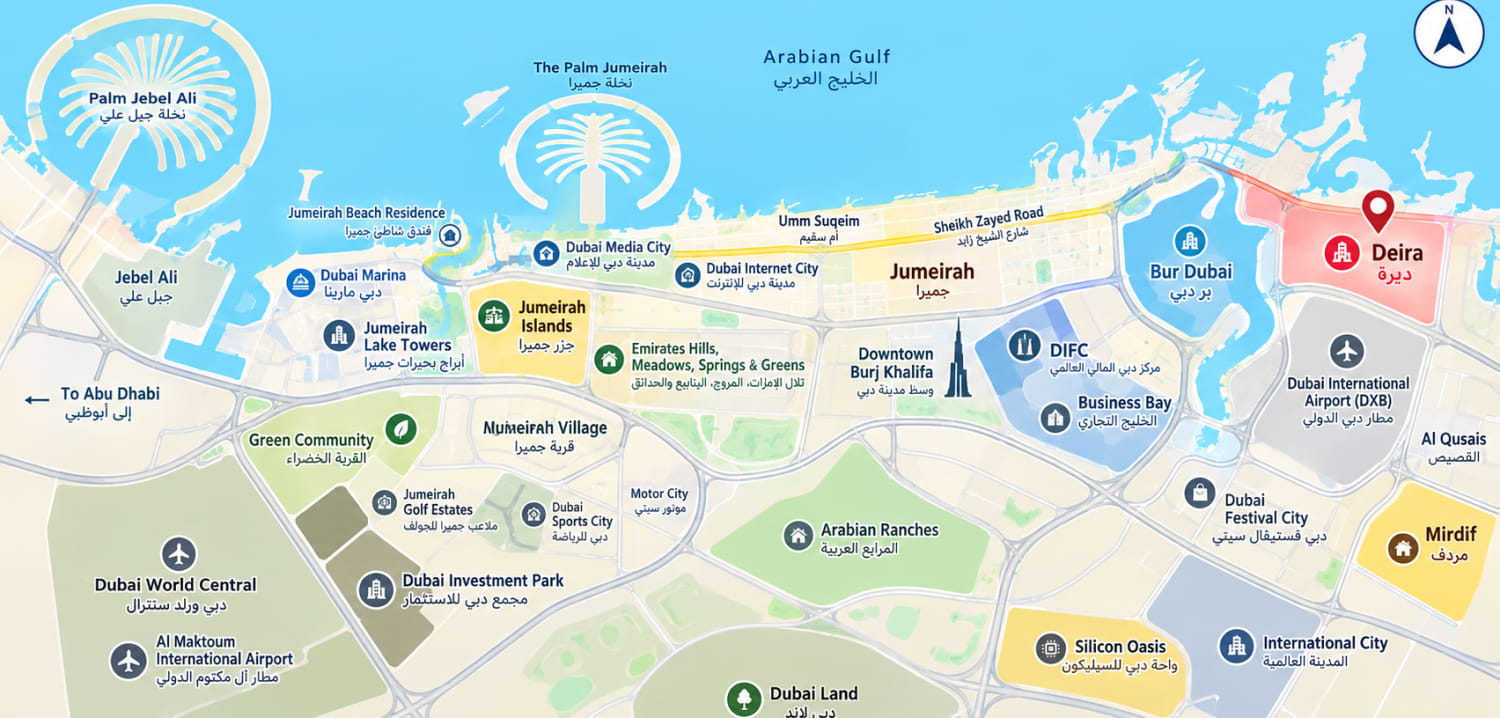
Deira Dubai sits on the northern bank of Dubai Creek, bordered by Al Garhoud, Al Qusais and the Arabian Gulf coastline. This position keeps Dubai International Airport close at hand while maintaining direct road links to the rest of the city via Sheikh Zayed Road and Emirates Road.
Register your interest today to receive exclusive floor plans, payment plans, and early-bird investment details for new launches in Deira before the public.
Let our property experts find the perfect off-plan investment for you in Deira. Share your details and we'll match you with exclusive projects.
Deira lies north of Dubai Creek and is bordered by the Arabian Gulf and neighbouring districts such as Al Garhoud, Al Qusais and Bur Dubai.
No. Deira Dubai zip code varies by sub-community and building, so residents should confirm the exact postal details with their building management or the UAE's postal service.
Deira suits working professionals and budget-conscious families who value walkability and metro access over resort-style amenities, with some of the most affordable rents in central Dubai.
Deira is a mix of leasehold and freehold. Most apartments are leasehold, while select villa plots in Al Wuheida and Al Mamzar, along with Emaar Towers, offer freehold ownership generally open to GCC nationals.
Deira sits on the northern bank of Dubai Creek and is tied to traditional commerce through its souks, while Bur Dubai occupies the southern bank and leans more toward museums and heritage neighbourhoods. Abra water taxis connect both sides in a few minutes.
Deira is famous for its traditional markets, centuries-old trading heritage and scenic views along Dubai Creek, with the Gold Souk and Spice Souk among its best-known attractions.
Deira is served by stations on both the Red and Green lines, including Union, Al Rigga, Salah Al Din and Abu Hail, putting most residential pockets within a short walk of a station.
Deira is predominantly apartments, from studios to 3-bedroom units, with a smaller supply of villas concentrated in Abu Hail, Al Baraha and Al Mamzar.


